
Freego A1 electric bike for urban riding
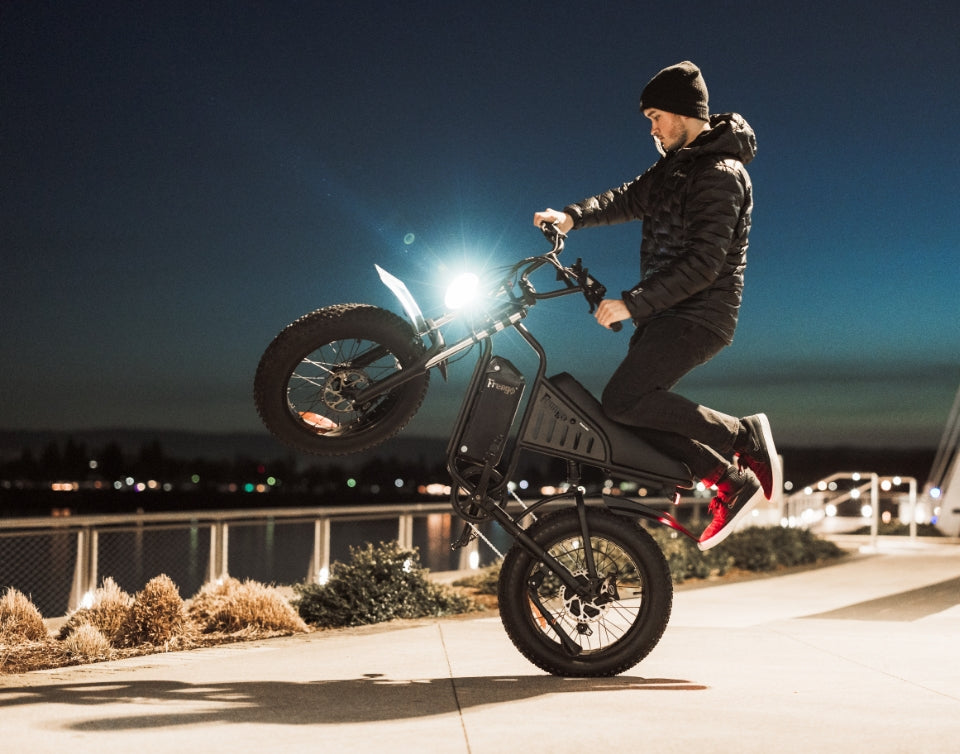
A rider commuting through a city street on a Freego electric city bike, showcasing a comfortable urban eBike design for daily transportation and modern mobility.

X-Man Series

Free Shipping
Free Shipping
To contiguous U.S.
14-Day Return
14-Day Return
Risk-Free Shopping
2-Year Warranty
2-Year Warranty
Ride With Confidence
Expert Support
Expert Support
Get Help Anytime
SGS Verified
Tested to UL 2849 Standards
Learn More
1,000+ Bike Shops
Test Rides & Service
Learn More
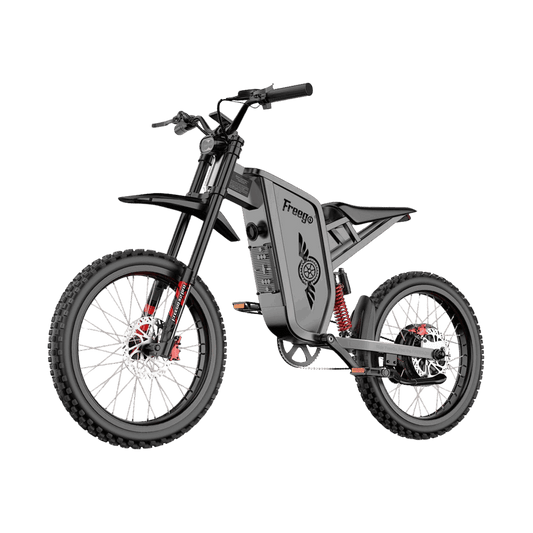
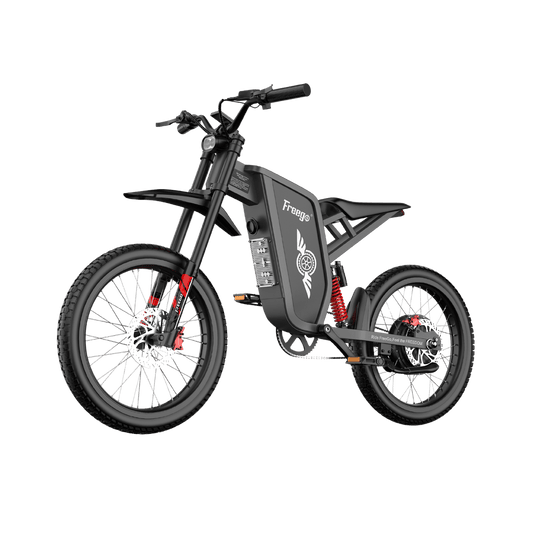
Freego dirt e-bike X2
Safety First
SGS Certified to UL 2849 Standards

Every Freego electric bicycle undergoes rigorous safety testing, including electrical system verification, battery protection, EMC compliance, and IP65 water resistance, delivering dependable performance wherever you ride.
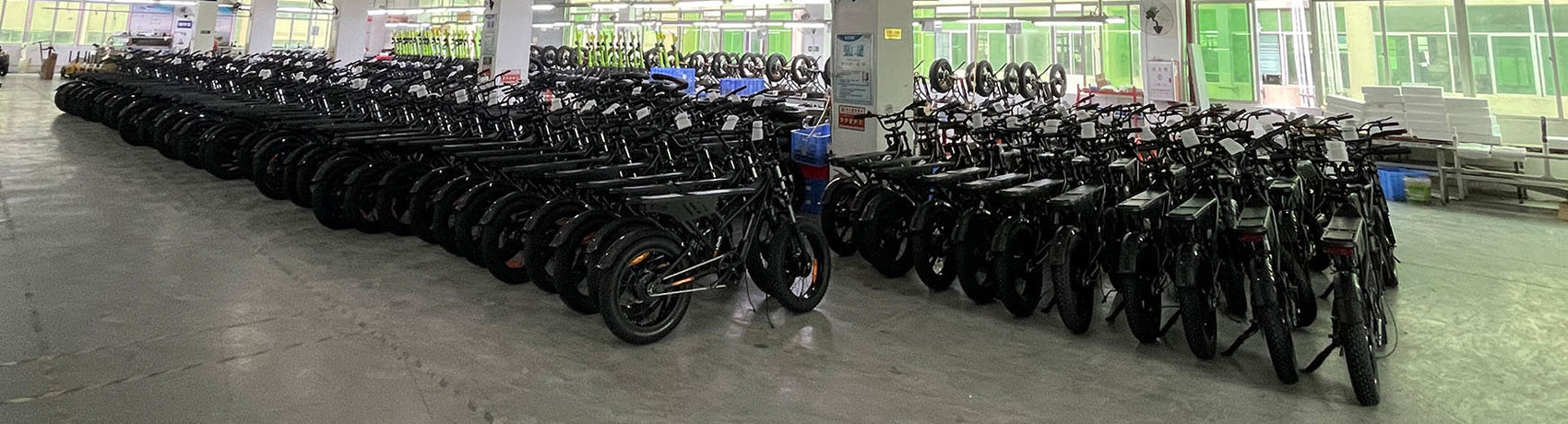
Freego Production workshop
Test Rides & Service
We are in over 1,000+ bike shops

From test rides to local support, our growing dealer network is here to help you experience and maintain your Freego eBike with confidence. Find a shop near you.

FAQs

A City Electric Bike is designed for urban commuting, short trips, errands, and everyday transportation in busy city environments.

Yes, it is very beginner-friendly thanks to its smooth acceleration, stable handling, and easy-to-use controls.

Speed varies by model, but most city e-bikes are optimized for controlled urban riding rather than extreme high-speed performance.

Yes, but it is mainly optimized for short to medium-distance city travel, offering comfort and efficiency for daily commuting.

City e-bikes focus on lightweight design, comfort, and agility, making them ideal for navigating traffic and tight urban spaces compared to off-road or high-power models.

Hydraulic brakes generally need less hand force and work well for repeated stop-and-go riding. A1 uses Tektro dual-piston hydraulic brakes, while E7 uses mechanical disc brakes. Mechanical brakes are simpler to adjust with a cable, but they may require more frequent manual adjustment as pads wear. Both systems need regular pad and rotor checks.

Both can, but they leave different reserves. E7 lists 20–30 miles on throttle or 30–46 miles with pedal assist, so a 20-mile round trip is realistic only if conditions and battery health are considered. A1 lists up to 60 miles from a 720Wh battery, giving more margin for hills, wind, cold weather, or detours.

The A1 is the stronger published hill option because it lists 120 N·m of torque, a 750W peak motor, and SHIMANO 8-speed gearing. E7 uses a 500W peak motor and 7-speed gearing. Grade, rider and cargo weight, battery charge, and how much you pedal still determine actual climbing performance.

E7 has a 36V 7.8Ah battery, or 280Wh, and a listed 2–5 hour charging time. A rider commuting 10 miles per day may get several short trips per charge when using pedal assist, but throttle use, hills, cold weather, wind, stops, and rider weight reduce range. Recharge based on your actual route rather than waiting for the published maximum.